Fall Wetlands Program
The Fall Program will not be offered in 2026. Please check back in 2027 for upcoming programs. Thank you!
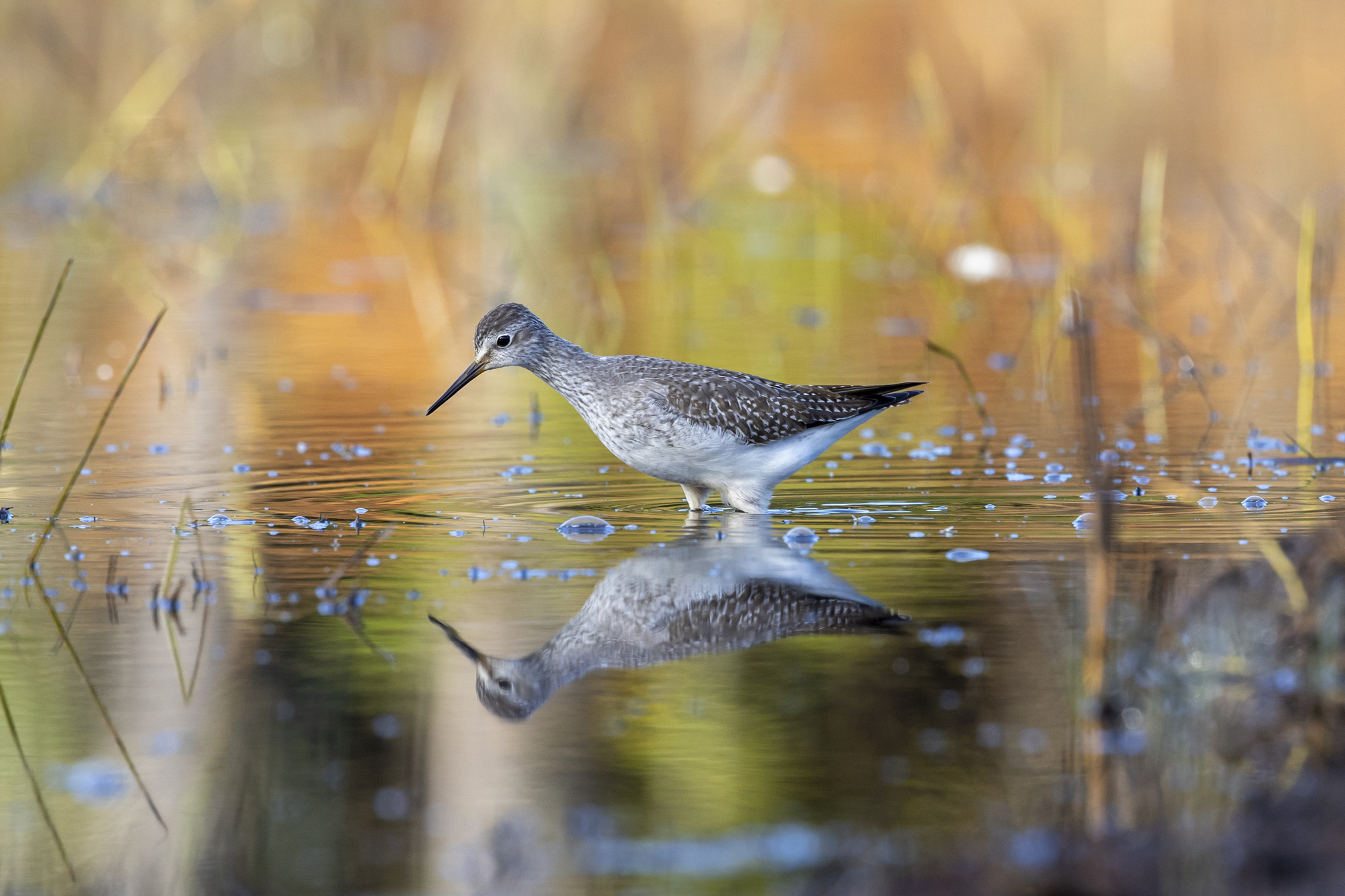
Early flooded habitat for migrating shorebirds and waterfowl
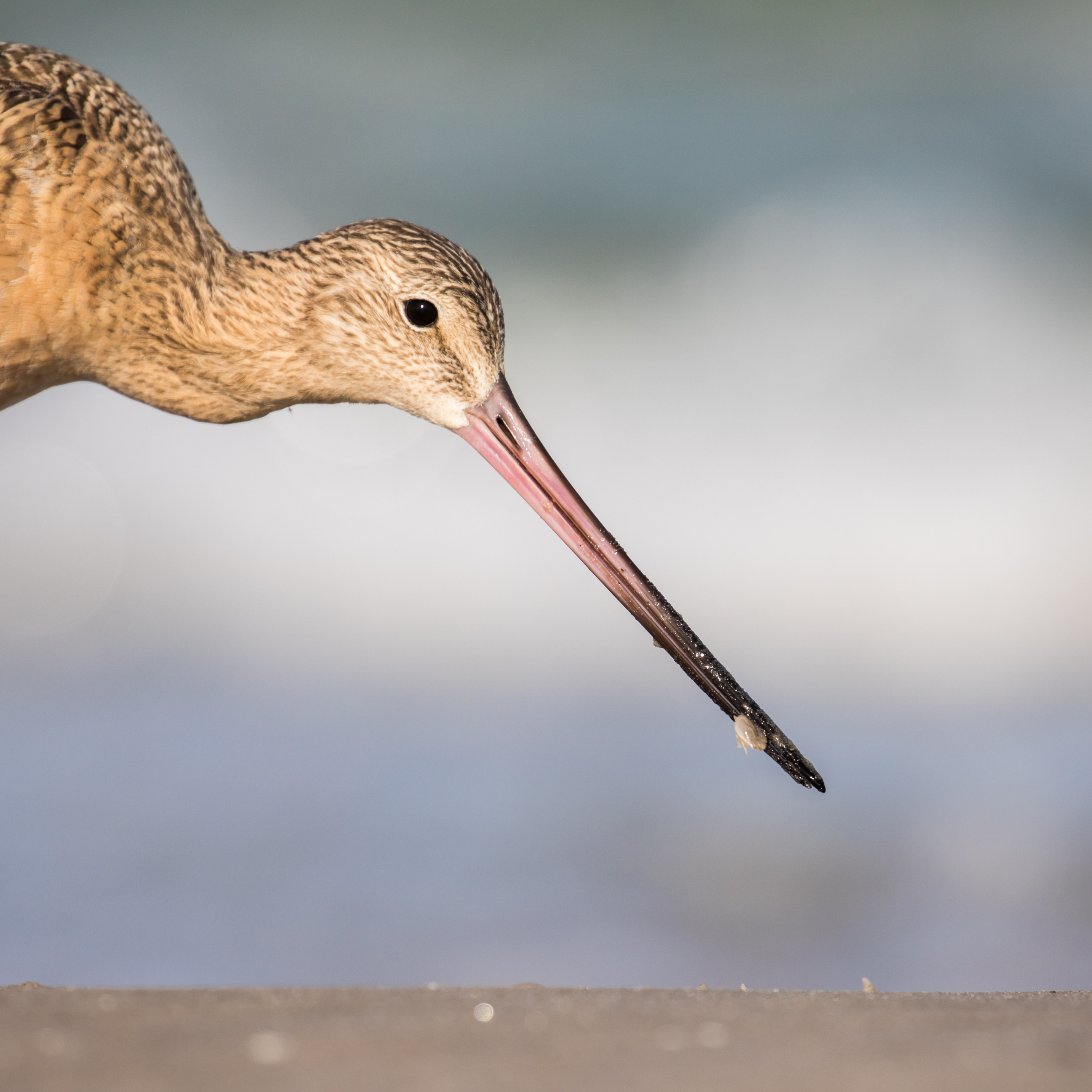
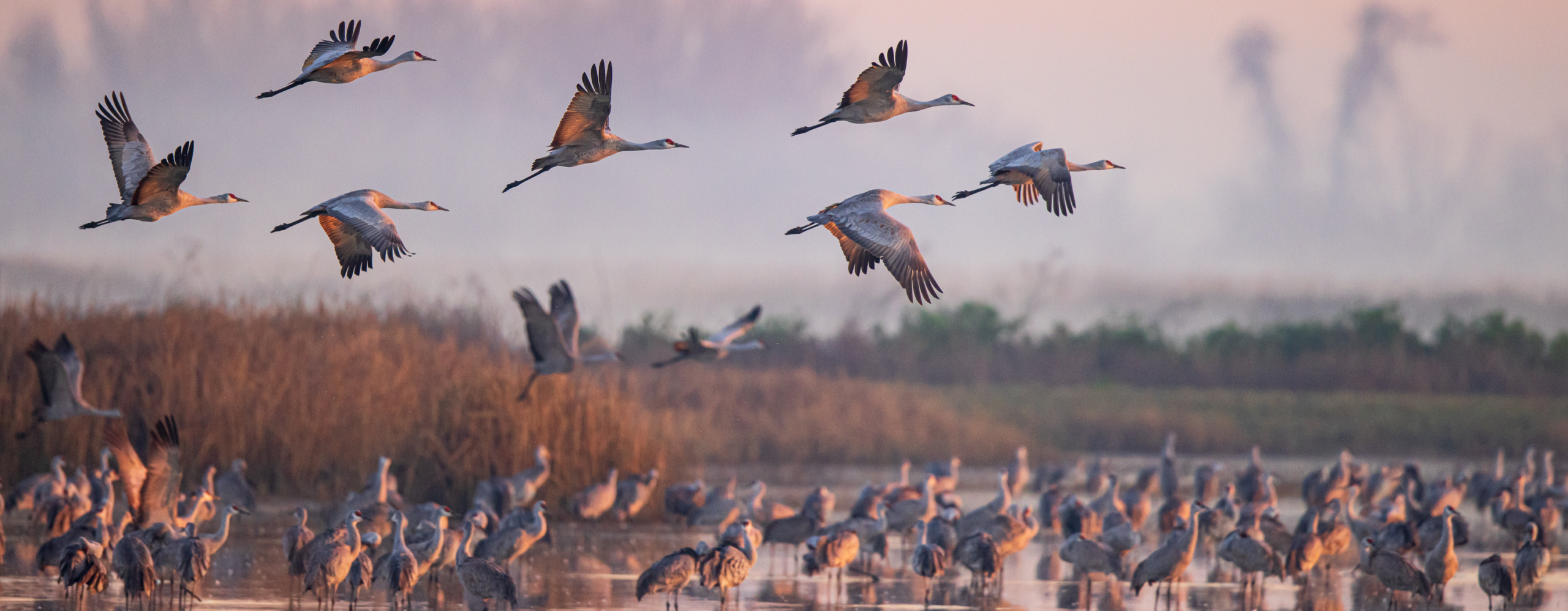
The BirdReturns Fall Wetland Program encourages private wetlands to provide early flooded habitat for migrating shorebirds, early-arrival waterfowl, and molting waterfowl. By gradually flooding up seasonal wetlands and holding that water into the start of the hunting season (October 18), wetland managers create much-needed habitat for migratory birds.
Program at a glance — 2025
Is your wetland eligible?
✓ Eligible
- Wetland units in the Sacramento Valley, Delta, Tulare, and San Joaquin Valley larger than 25 acres
- Wetland units in Suisun between 25 and 250 acres
- Owners with access to ground and/or surface water
✕ Not eligible
- Wetlands smaller than 25 acres (or larger than 250 acres in Suisun)
- Enrolled in another incentive program (e.g., NRCS EQIP) paying for flooding in the same window
- Within 5 miles of major airports, including Beale AFB, Sacramento International, Travis AFB, Fresno-Yosemite International, and Lemoore Naval Air Station
- Close to population centers or within mosquito vector hotspots, depending on local conditions
Practice specifications
Begin flooding on the selected start date, gradually flooding up to fully flooded (any depth) within 3 weeks, and hold that water until the start of the California waterfowl hunting season (October 18). Emergent vegetation (cattails/tules) must stay under 50% cover — discing 10–20% of the unit (up to 25% in Suisun) is recommended to help.
- Option 1: August 1–4
- Option 2: August 8–11
- Option 3: August 15–18
- Option 4: August 22–25
- Option 5: August 29–Sept 1
- Option 6: September 5–8
Regional funding distribution
| Region | Share of budget |
|---|---|
| Sacramento Valley | 20% |
| Delta | 20% |
| San Joaquin Valley / Grasslands | 20% |
| Tulare | 20% |
| Suisun | 10% |
| Residual (remaining, pooled) | 10% |
Why the Fall Wetland Program matters
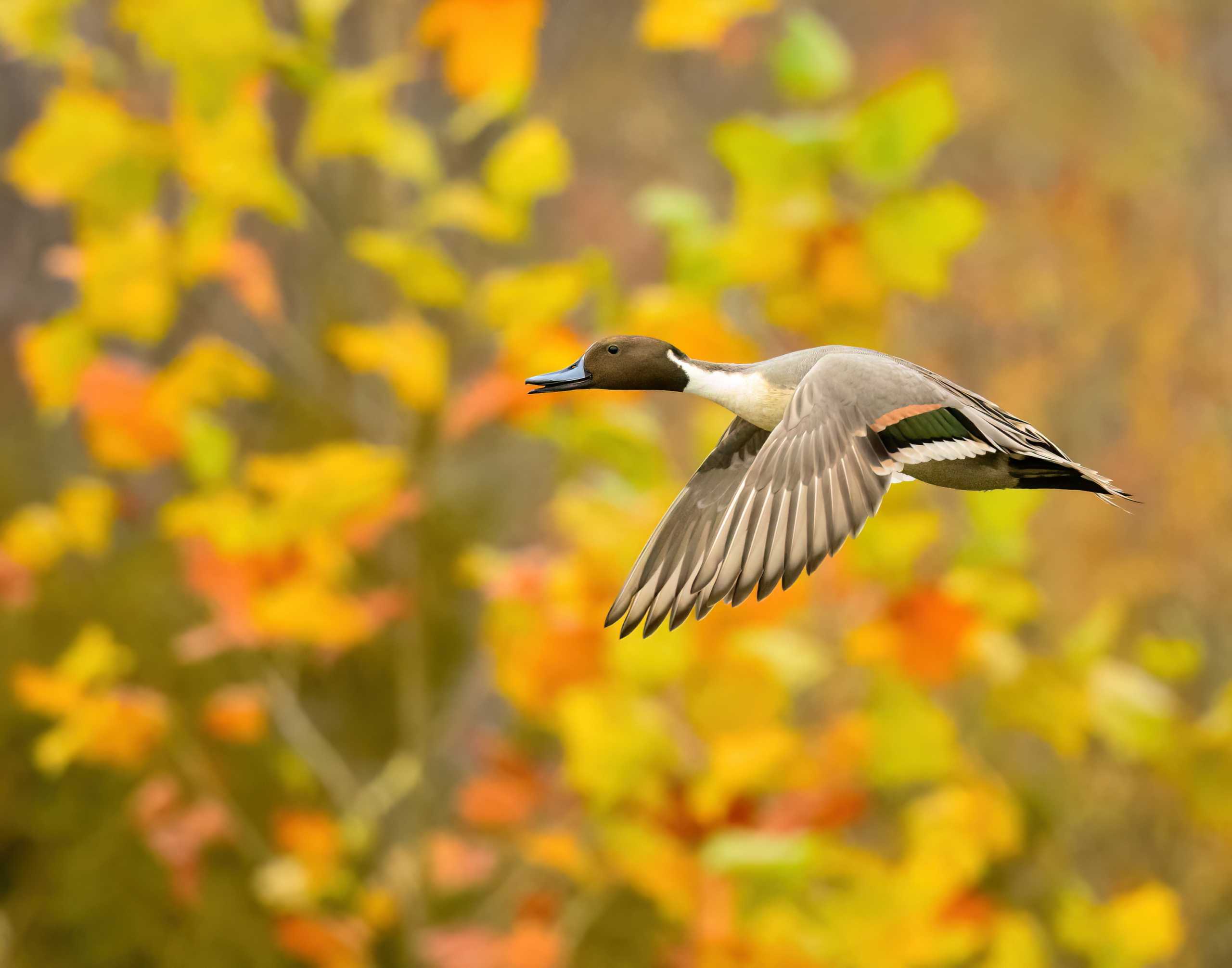
Enhancing waterfowl habitat
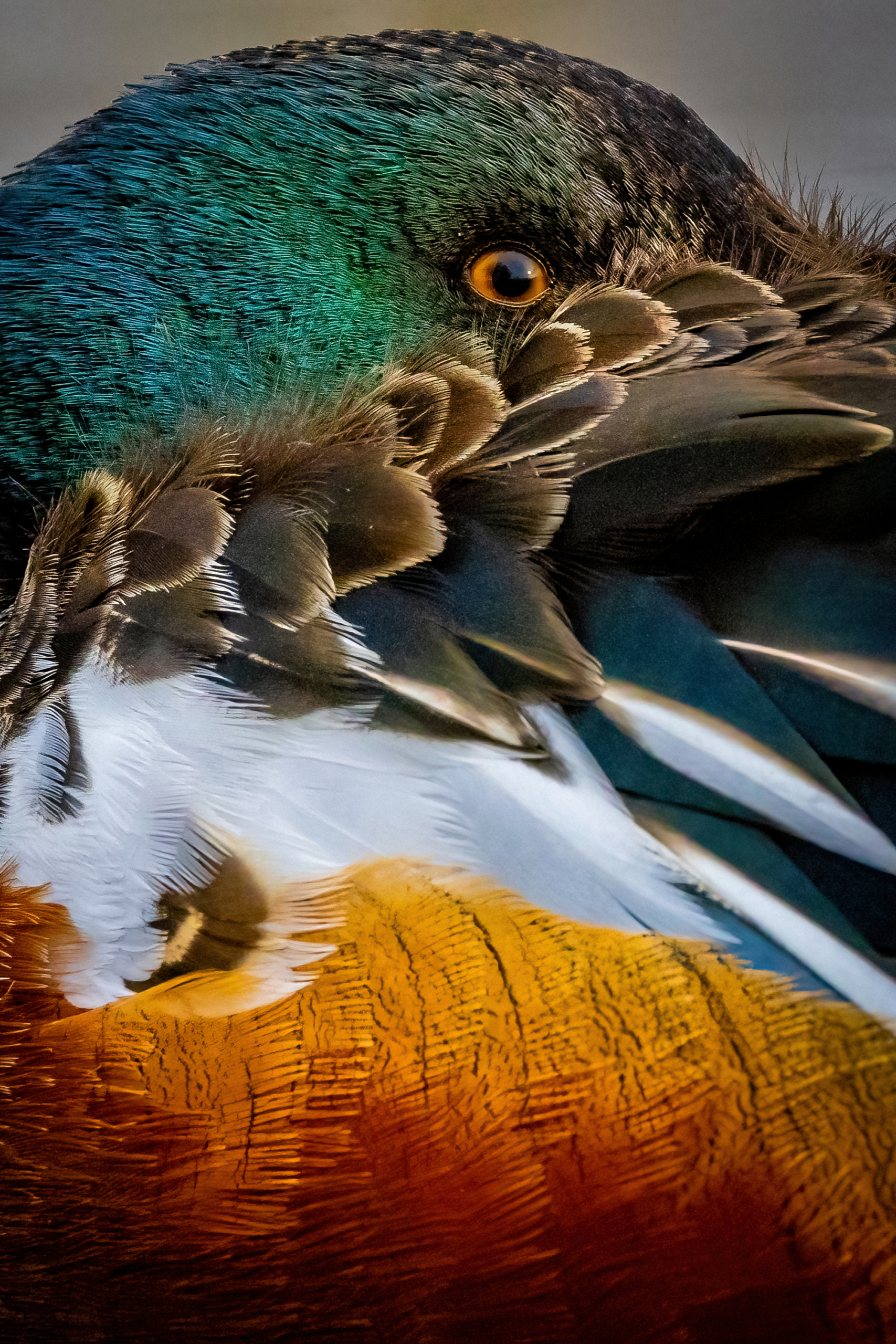
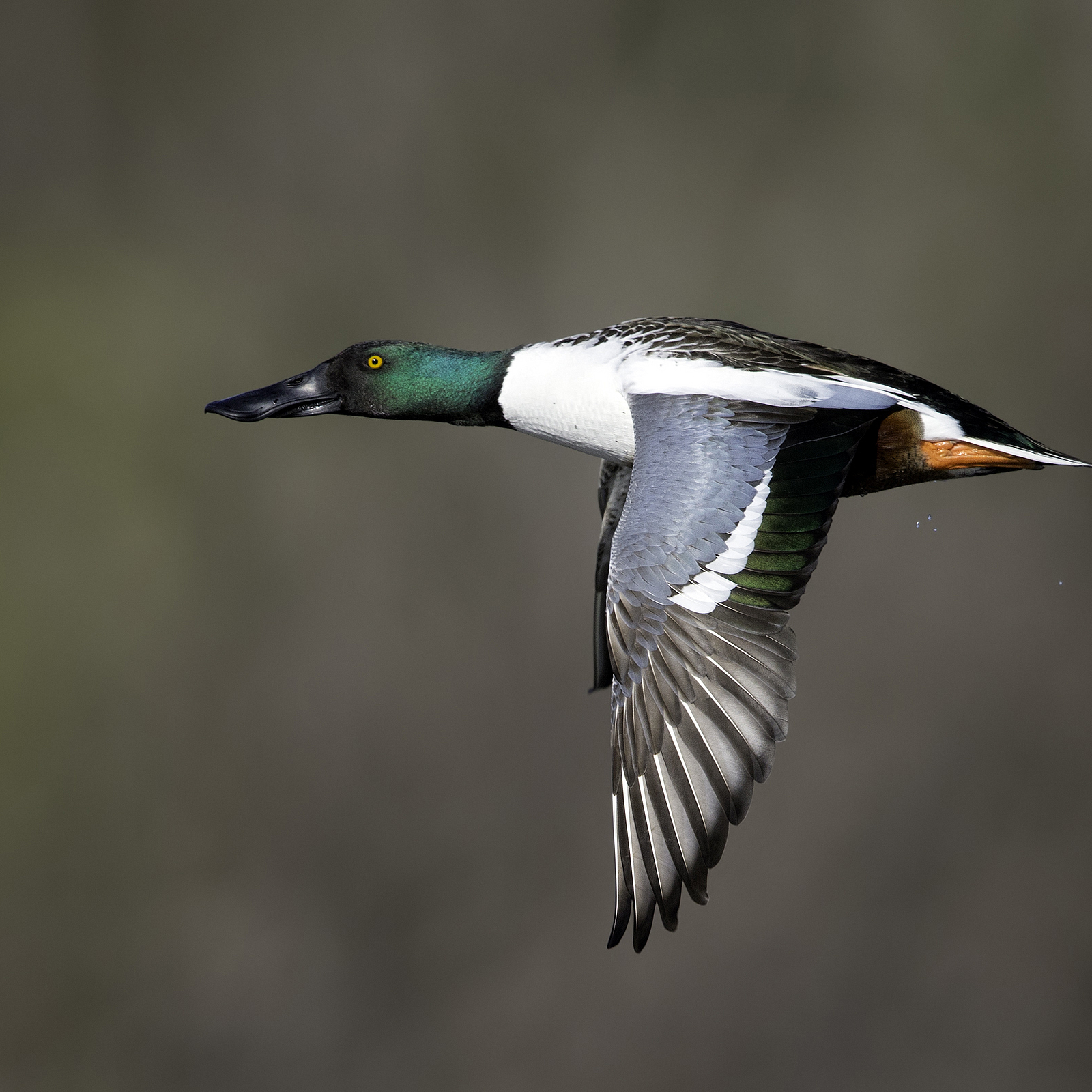
Molting habitat is crucial for ducks during their wing molt, when they simultaneously lose all flight feathers and are grounded for 3–4 weeks. To survive, they need spacious water, abundant high-protein food, and cover from predators. By providing flooded, vegetated wetlands through late summer and fall, land managers help expand this scarce habitat type.
A lifeline for shorebirds
Shorebirds face alarming declines, and the absence of resting spots during migration could exacerbate them. In a highly managed water system, most wetlands remain dry during fall migration unless managers choose to create flooded habitat. Sustaining a diverse array of strategically flooded wetlands supports shorebirds, other wildlife, and the regional economy.