

Spring Wetlands Program
BirdReturns will not be offering a Spring Wetlands program in 2026. Check back in Jan 2027 for updates on future spring opportunities — thank you!
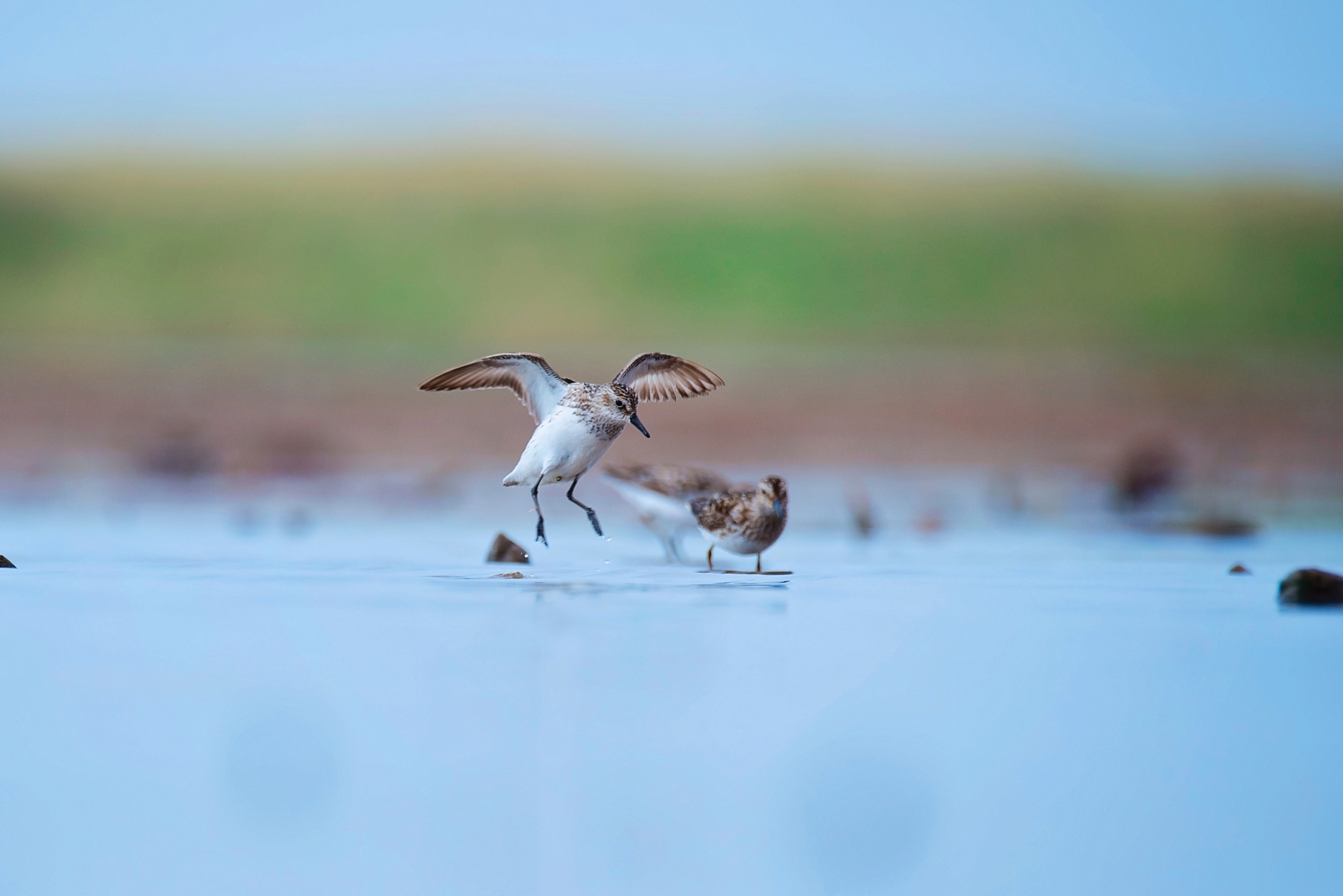
Spring flooded habitat for migrating shorebirds and waterfowl
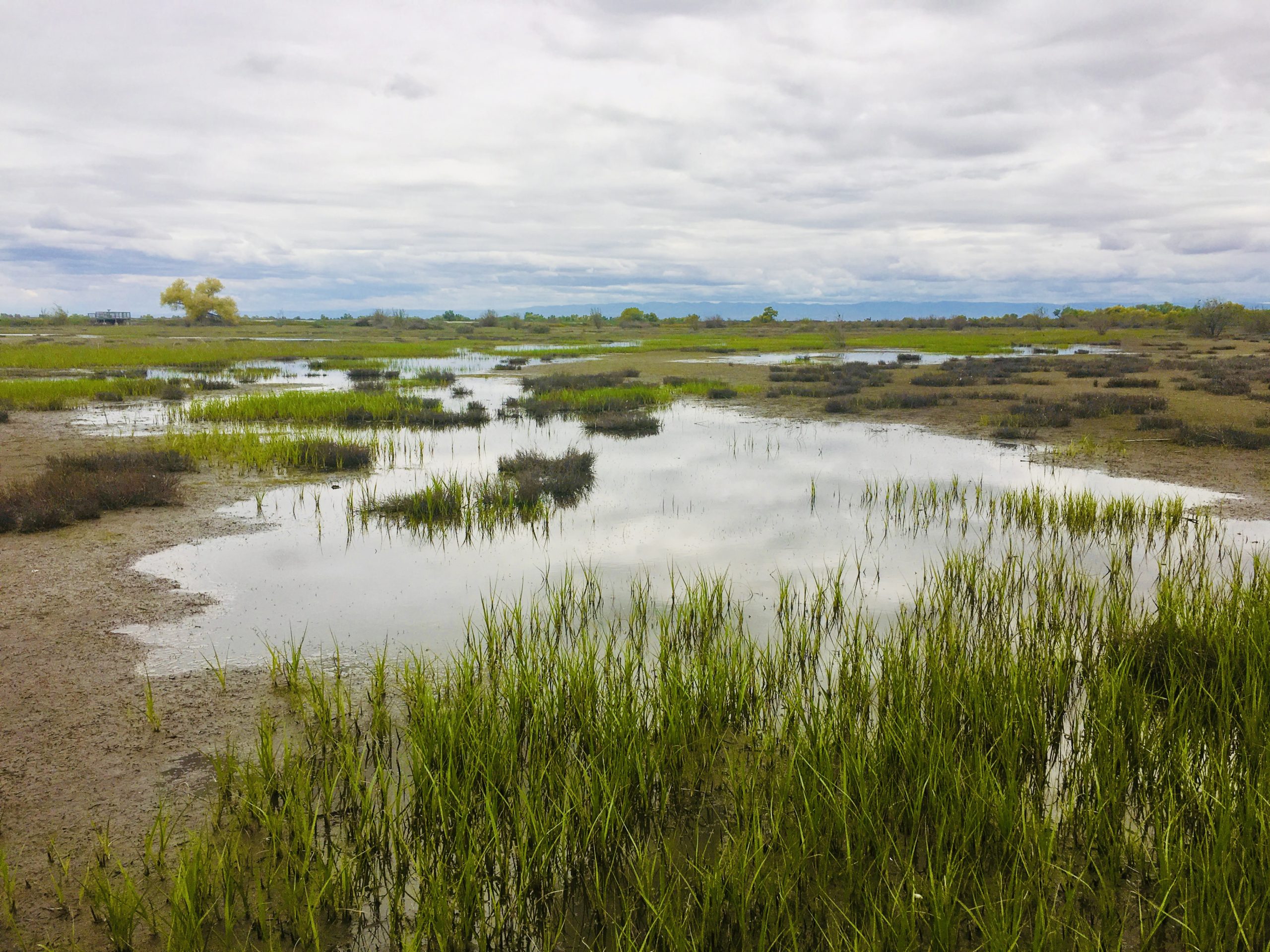
The BirdReturns Spring Wetland Program incentivizes private wetland managers to provide spring flooded habitat for migrating shorebirds and waterfowl. By maintaining seasonal wetlands through early spring, followed by a gradual drawdown, wetland managers create much-needed habitat for migratory birds.
Applicants may apply for both the Spring and Summer Wetland Programs, as long as each application covers a separate wetland unit that can be independently managed to meet program requirements.
Program at a glance — 2025
Is your wetland eligible?
✓ Eligible
- Wetland properties in the Suisun Marsh, Legal Delta, Sacramento Valley, Tulare, and San Joaquin Valley
- Seasonal wetland units larger than 25 acres
- Owners with access to ground and/or surface water
- Must notify local mosquito vector control districts if selected
- Wetland units with less than 50% emergent vegetation
✕ Not eligible
- Enrolled in another incentive program paying for flooding in the same window (e.g., NRCS EQIP, Presley, FishFood)
- Within 5 miles of major airports, including Beale AFB, Sacramento International, Travis AFB, Fresno-Yosemite International, and Lemoore Naval Air Station
- Wetlands smaller than 25 acres
Practice specifications
Step 1
Hold Winter Water
Keep soils flooded or fully saturated from the end of waterfowl season through the start of the drawdown period.
Step 2
Manage Vegetation
Keep emergent cover (cattails/tules) under 50% so shorebirds have open mudflat to forage
Step 3
Drawdown Water in April
Conduct a gradual drawdown to reach 50% mudflats within your selected week (1st, 2nd, or 3rd week of April).
Choose Your Drawdown Week
At application, you’ll select the week your wetland begins drawdown — first, second, or third week of April.
- First week of April — shortest flooded period, lowest payment rate
- Second week of April — moderate flooded period, moderate payment rate
- Third week of April — longest flooded period, highest payment rate
Later weeks extend flooding further into spring and pay more, reflecting the longer habitat duration; earlier weeks flood for less time at a lower rate. See Payment Rates below for exact rates by region.
Payment rates
Rates depend on the drawdown option selected — earlier drawdown weeks pay less than later ones, reflecting the shorter habitat window.
| Region | 1st week of Apr | 2nd week Apr | 3rd week Apr |
|---|---|---|---|
| Sacramento & San Joaquin Valley (excl. Grasslands) | $18 | $20 | $22 |
| Grasslands Water District, Suisun, and Delta | $10 | $10 | $15 |
| Tulare | $120 | $140 | $160 |
Additional Program Details
Applications are scored by the Migratory Bird Conservation Partnership and California Department of Fish and Wildlife based on habitat value — location, history of bird use, and timing. Longer flooding periods and larger acreages score higher.
Ranking happens by region first: top-scoring applications in each region are funded until that region reaches its target (10% of the Central Valley-wide goal). Remaining funds then go to the highest-scoring applications statewide until funding or the habitat goal is reached.
A given area of land managed for wetland functions and where water is intentionally and actively applied annually through a managed process (USFWS 2000). These diked wetland areas are often managed by manipulating water levels specifically to benefit waterfowl and/or shorebirds. Wetlands must have one or more of the following three attributes: 1) At least periodically, the land supports predominantly hydrophytes (plants growing in water or waterlogged soil); 2) the substrate is predominantly undrained hydric soil; and 3) the substrate is saturated with water or covered by shallow water at some time during the growing season of each year. (Central Valley Joint Venture)
If you have farmed or fallowed crop fields- please check out our Farmland Programs!
Why the Spring Wetland Program matters
Shallow Water, Essential Habitat
Shorebirds need shallow water and exposed mudflat, where they can probe for the invertebrates that fuel their migration. A gradual drawdown that leaves fields roughly half-flooded, half-mudflat creates exactly this condition: enough open, wet ground for birds to feed efficiently, without water too deep to forage in. Without this in-between habitat, shorebirds have far fewer places to refuel along their route.

A Migratory Lifeline
Shorebirds face significant population declines as resting and feeding areas disappear. Private wetlands make up more than half of the remaining wetland habitat in the Central Valley — maintaining a diverse network of strategically flooded wetlands provides essential stopover habitat during migration.
