Summer Wetlands Program
The 2026 application period ran January 9 – February 1. Check back in January 2027 for next year’s program!
Nesting and brood-rearing habitat for shorebirds and waterfowl
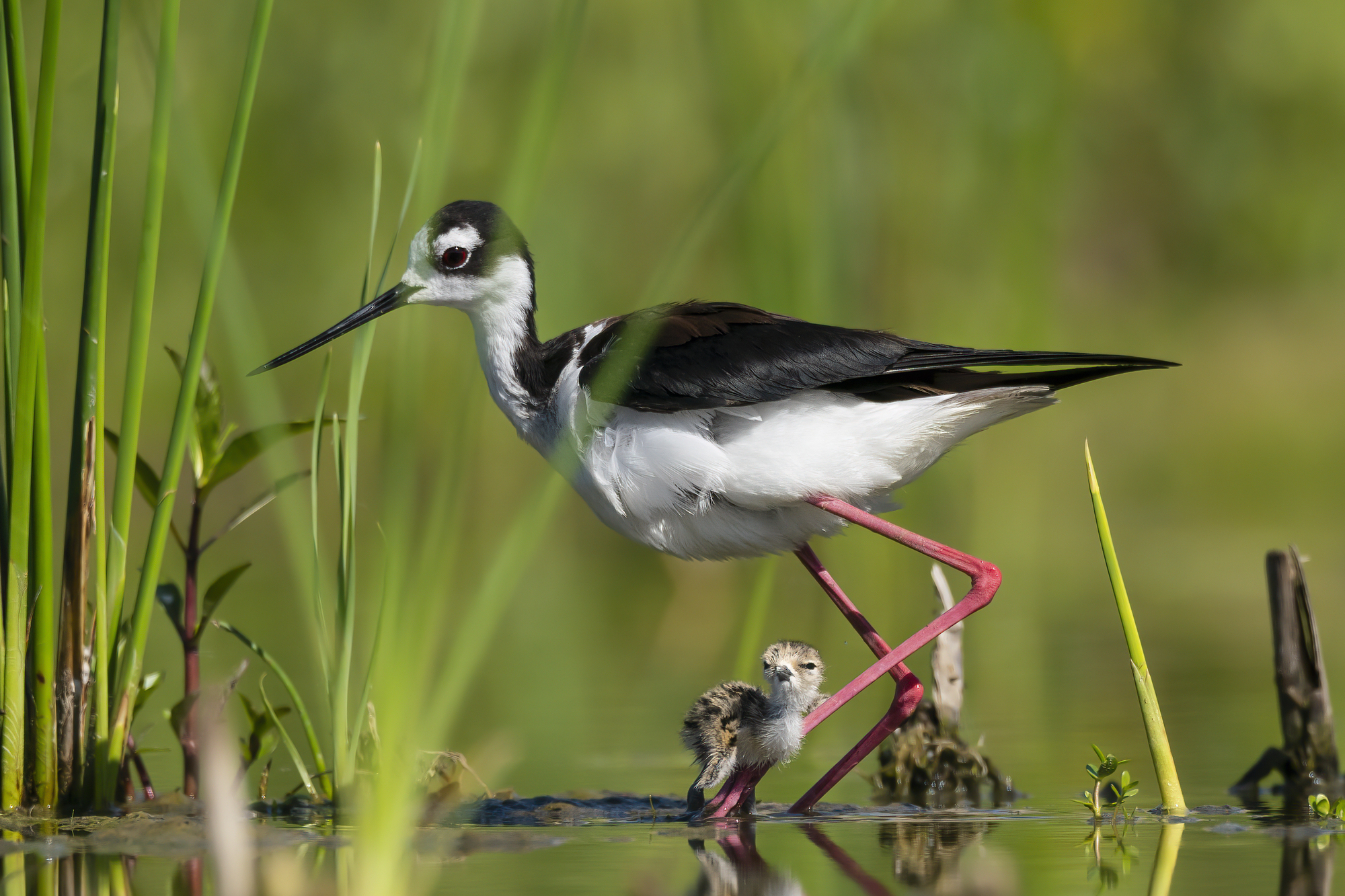
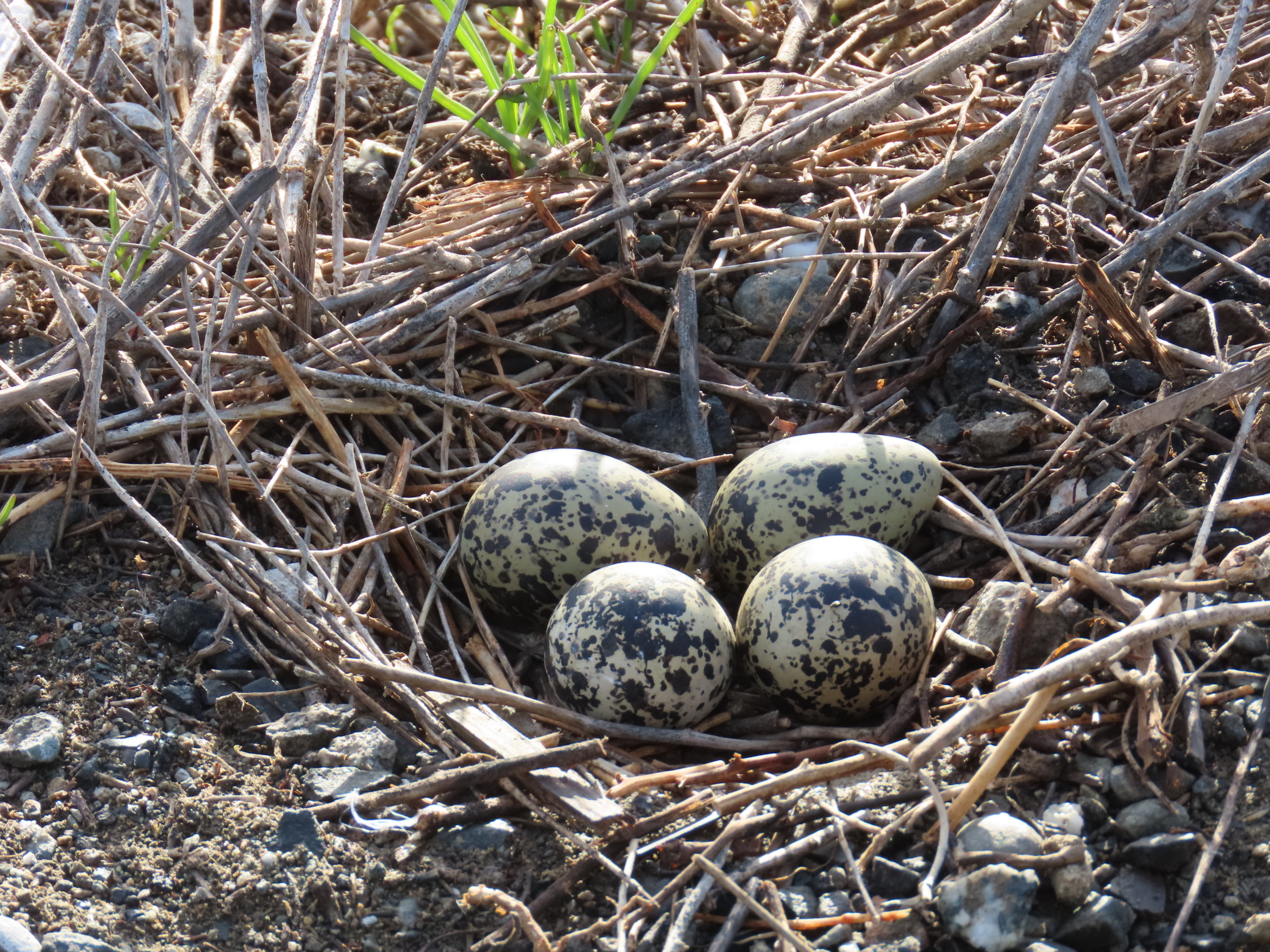
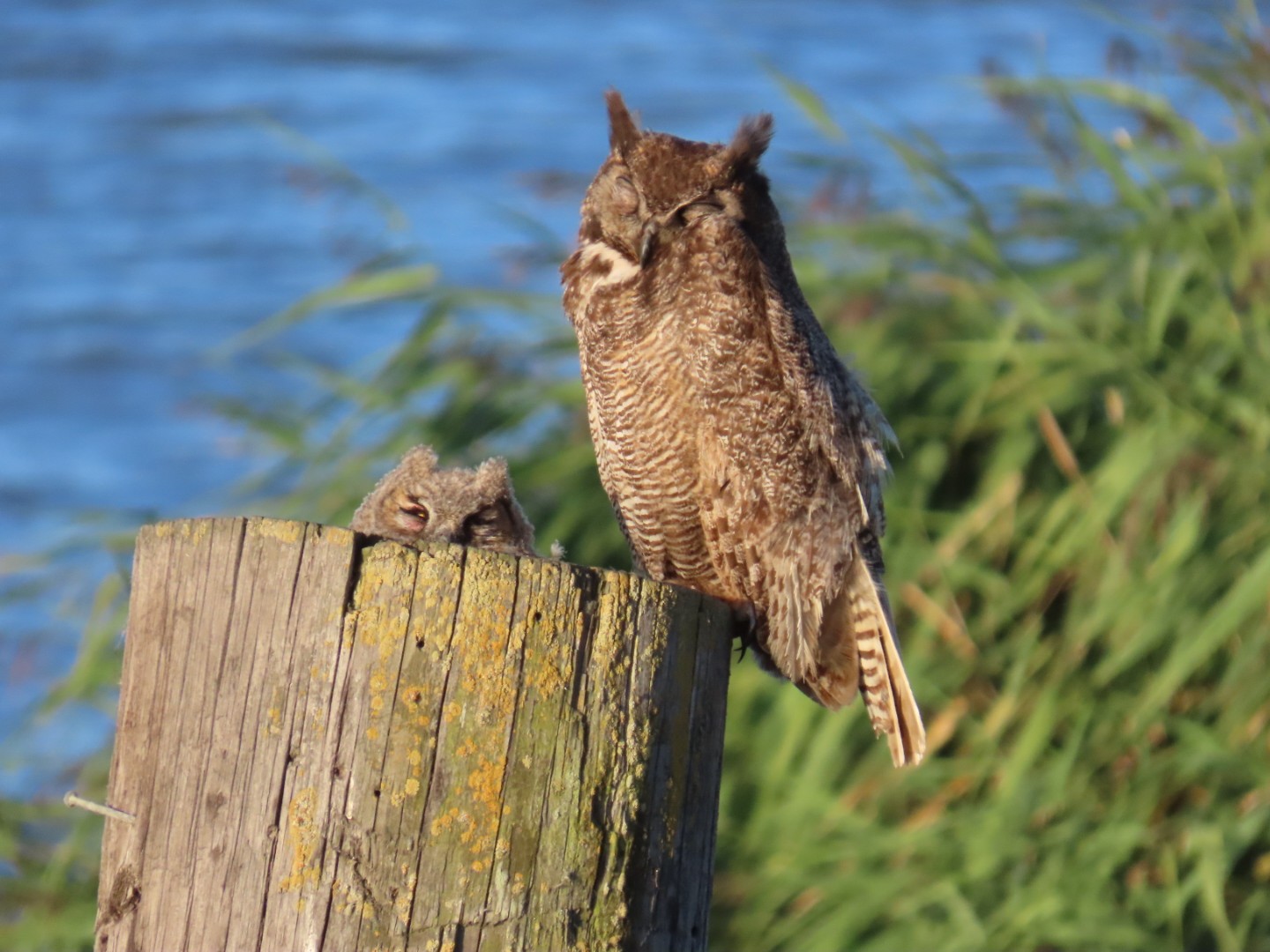
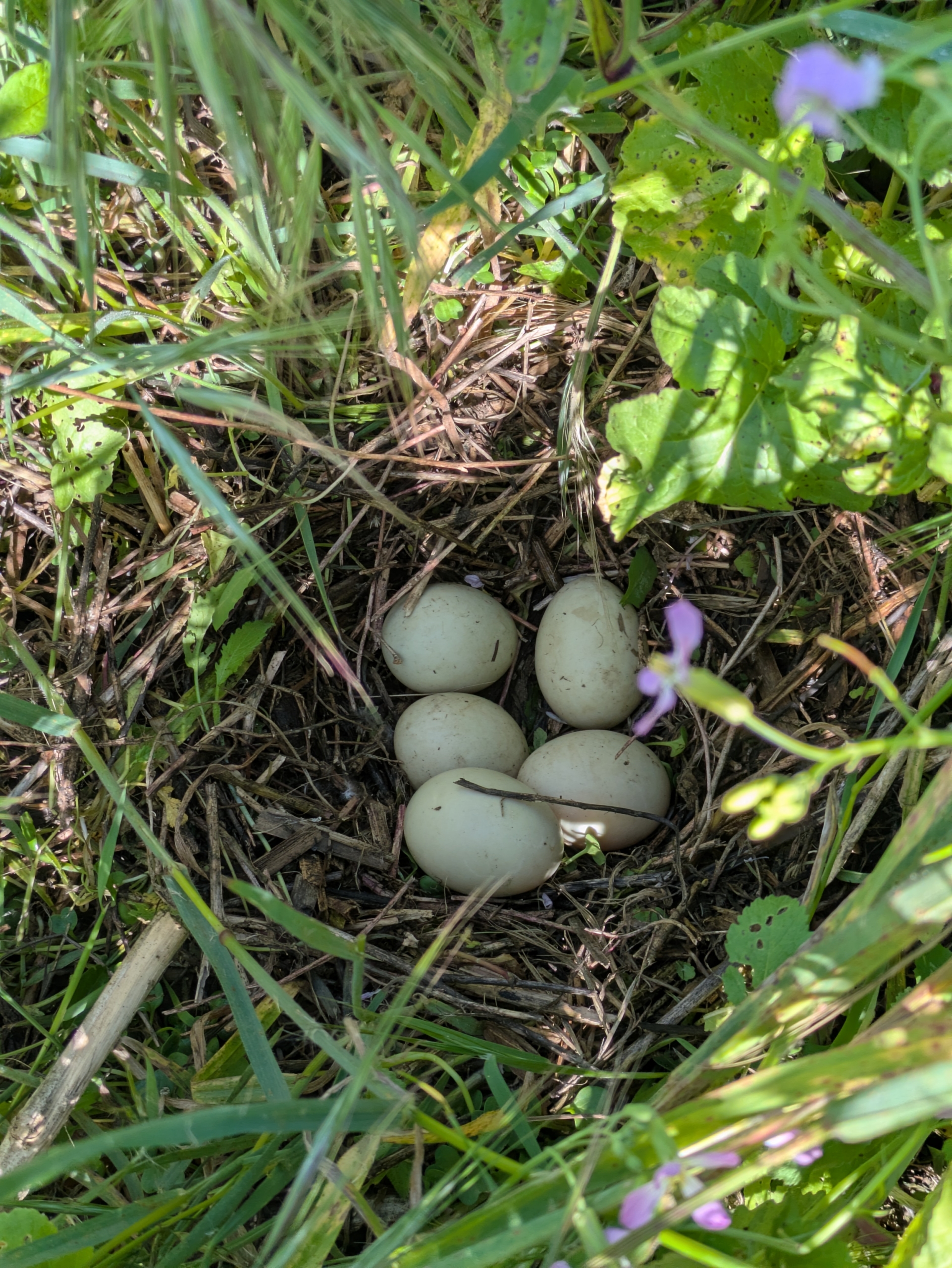
The BirdReturns Summer Wetland Program incentivizes private wetland managers to provide nesting and brood-rearing habitat for shorebirds and waterfowl. By flooding-up suitable wetland units in spring and maintaining habitat through the summer, wetland managers create this much-needed habitat for nesting birds — units must be able to maintain deep flooding and conduct a gradual drawdown.
Applicants may apply for both the Spring and Summer Wetland Programs, as long as each application covers a separate wetland unit that can be independently managed to meet program requirements.
Program at a glance — 2026
Is your wetland eligible?
✓ Eligible
- Wetland properties in the Suisun Marsh, Legal Delta, Sacramento Valley, Tulare, and San Joaquin Valley
- Summer wetland units larger than 15 acres (minimum 5 acres in Tulare)
- Owners with access to ground and/or surface water
- Wetlands able to maintain established low-salinity targets (Suisun Marsh only)
✕ Not eligible
- Enrolled in another incentive program (e.g., NRCS EQIP) paying for flooding in the same window
- Within 5 miles of major airports, including Beale AFB, Sacramento International, Travis AFB, Fresno-Yosemite International, and Lemoore Naval Air Station
- Smaller than 15 acres Central Valley-wide, or smaller than 5 acres in Tulare
- High salinity or unable to receive fresh water (Suisun only)
Flooding management options
Standard Drawdown
Semi-permanent wetland. Fully flooded (18″ minimum depth, no exposed mudflat) April 1 – July 15. Starting July 15, draw down water until reaching roughly 50% mudflats by August 1.
Delayed Drawdown
Permanent wetland. Fully flooded April 1 – October 1. Suisun properties must complete a spring leach cycle by draining and reflooding to target depth by April 1.
Payment rates
| Region | $ / acre |
|---|---|
| Sacramento & San Joaquin Valley (excl. Grasslands) | $260 |
| Grasslands Water District, Suisun, and Delta | $83 |
| Tulare | $988 |
Applicants are encouraged to coordinate with their local mosquito & vector control district before applying to understand any potential treatment considerations or costs associated with summer flooding.
Why the Summer Wetland Program matters
160+
bird species recorded on enrolled summer wetlands.
76+
bird species recorded nesting and breeding on enrolled properties!
100%
of enrolled wetlands hosted breeding waterfowl- most commonly mallard, gadwalls, wood duck, and cinnamon teal.

Nurturing Brood Habitat
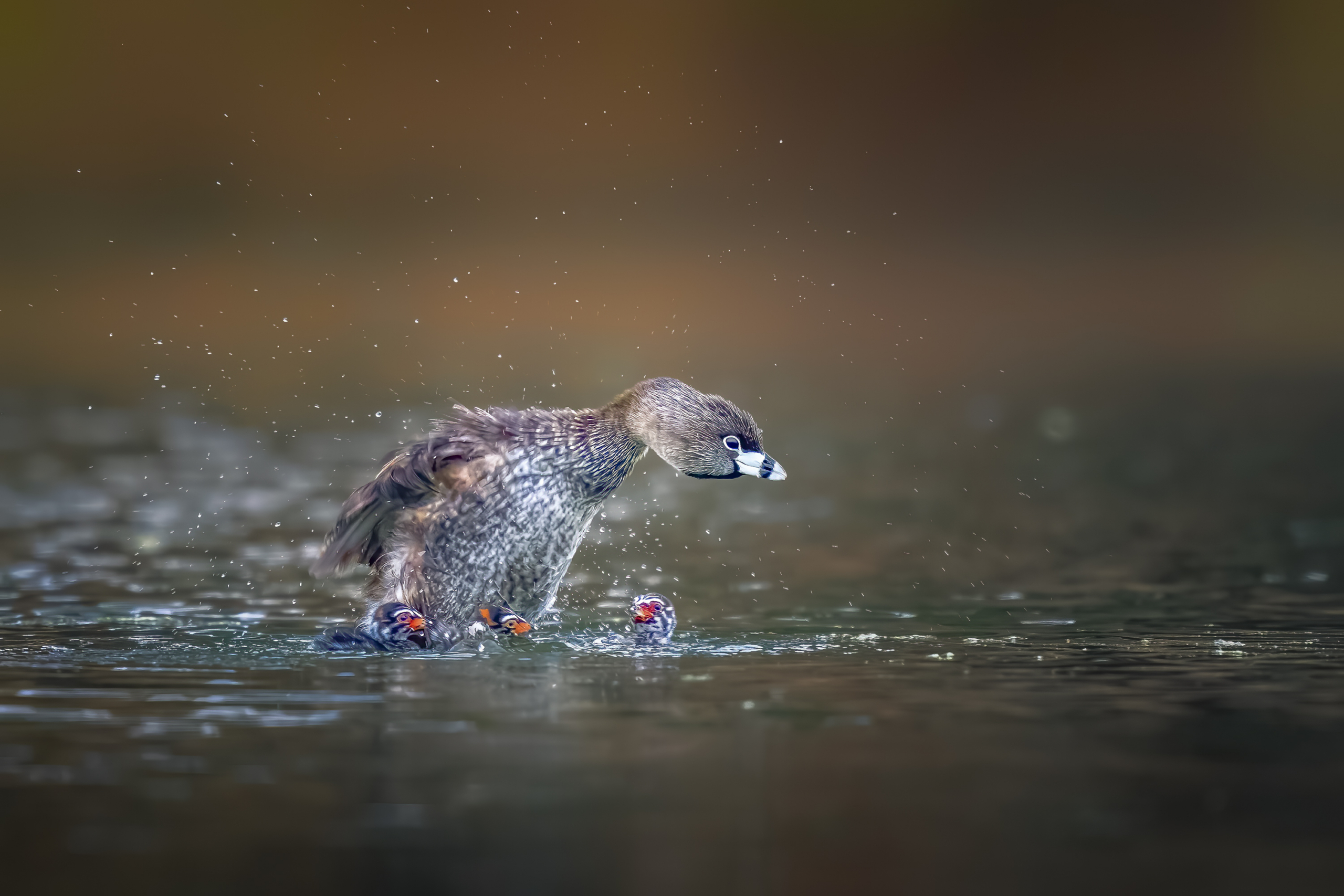
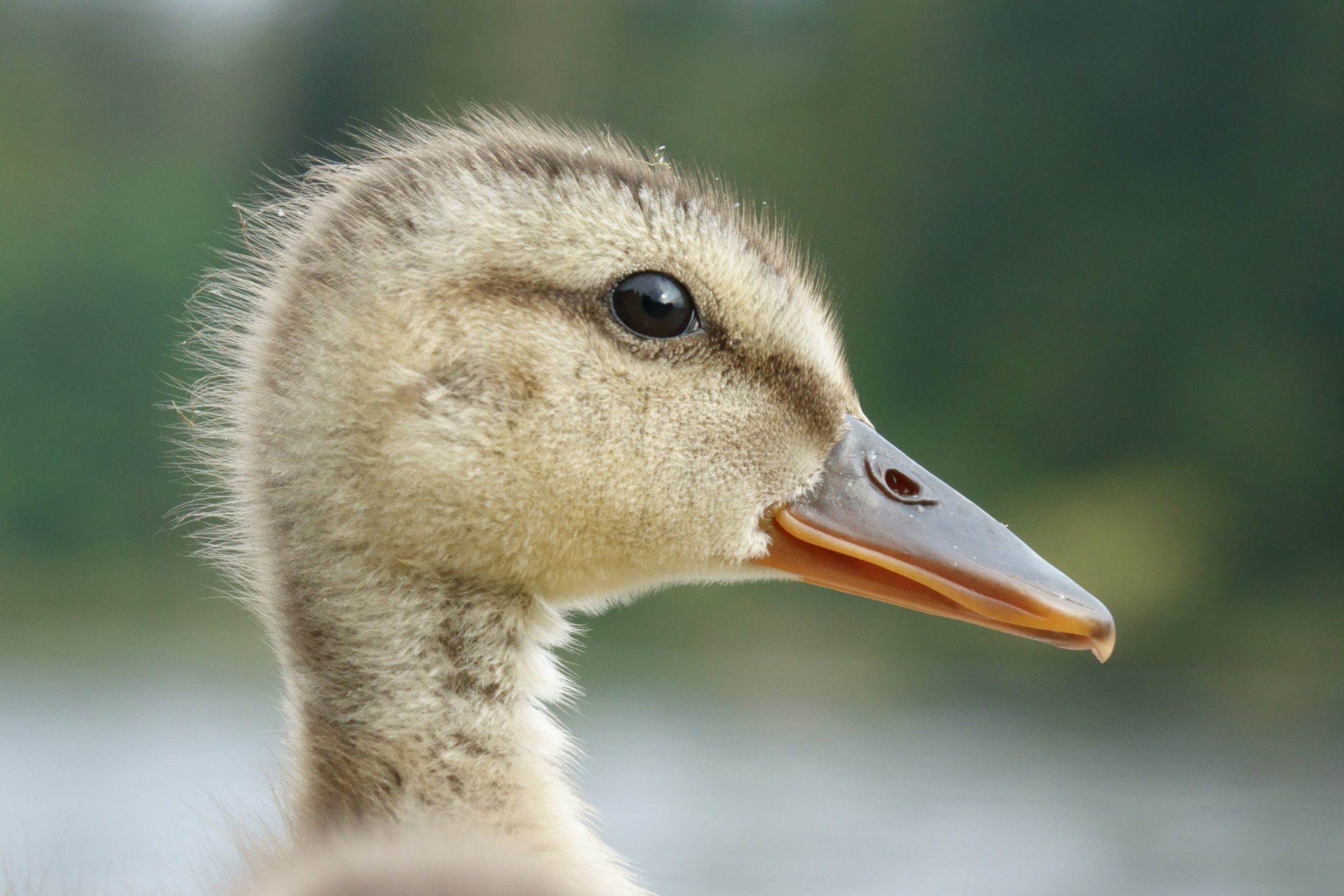
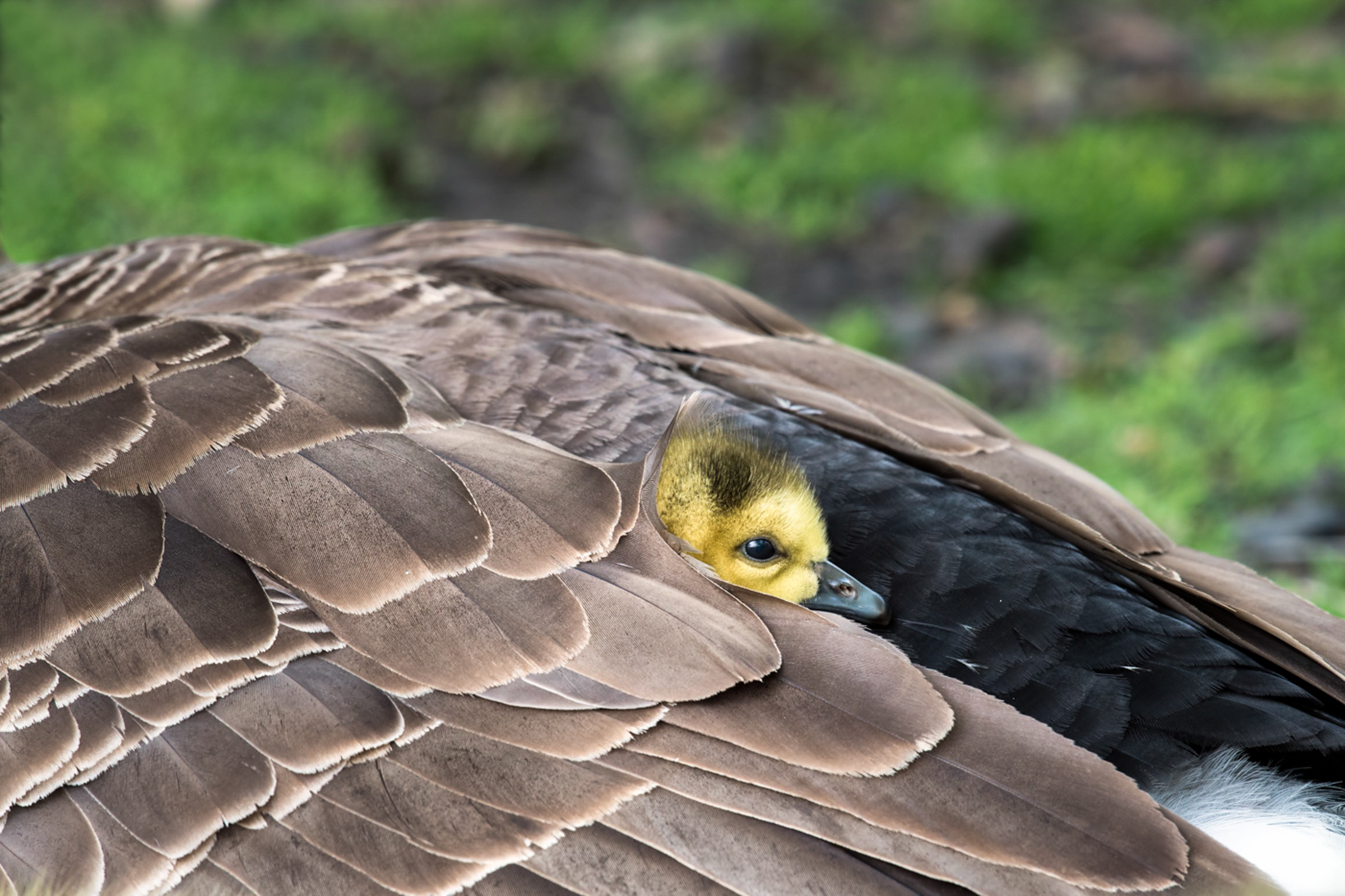
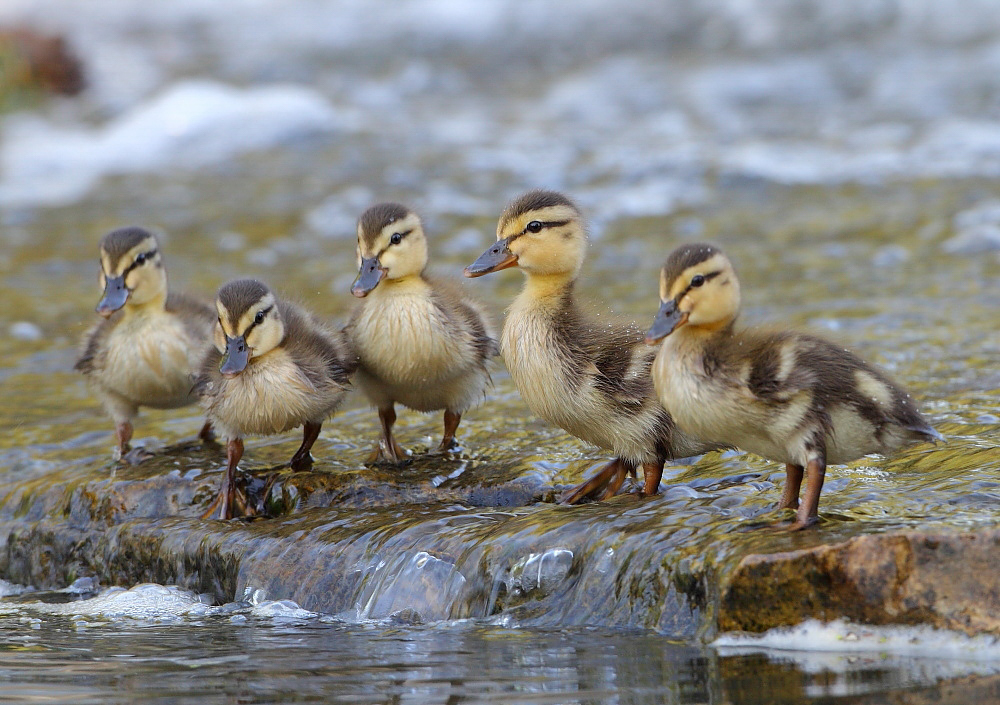
Brood habitat plays a critical role in supporting healthy waterfowl populations — nesting areas, refuge during molting, and protection for vulnerable ducklings. During the driest months, when natural wetland habitat is limited, brood ponds supply the food, cover, and stable water conditions that support successful breeding and chick survival
Did you know?
More than 60% of mallards harvested in California hatched here, making the state a critical breeding region for waterfowl populations.
As wetlands draw down, invertebrates concentrate in the shrinking water — a critical protein source fueling shorebirds heading into fall migration and waterfowl going through molt.
Molting ducks are flightless for three to four weeks each summer, making undisturbed, well-managed wetlands essential shelter from predators during this vulnerable period.