Our Impact
Our Impact
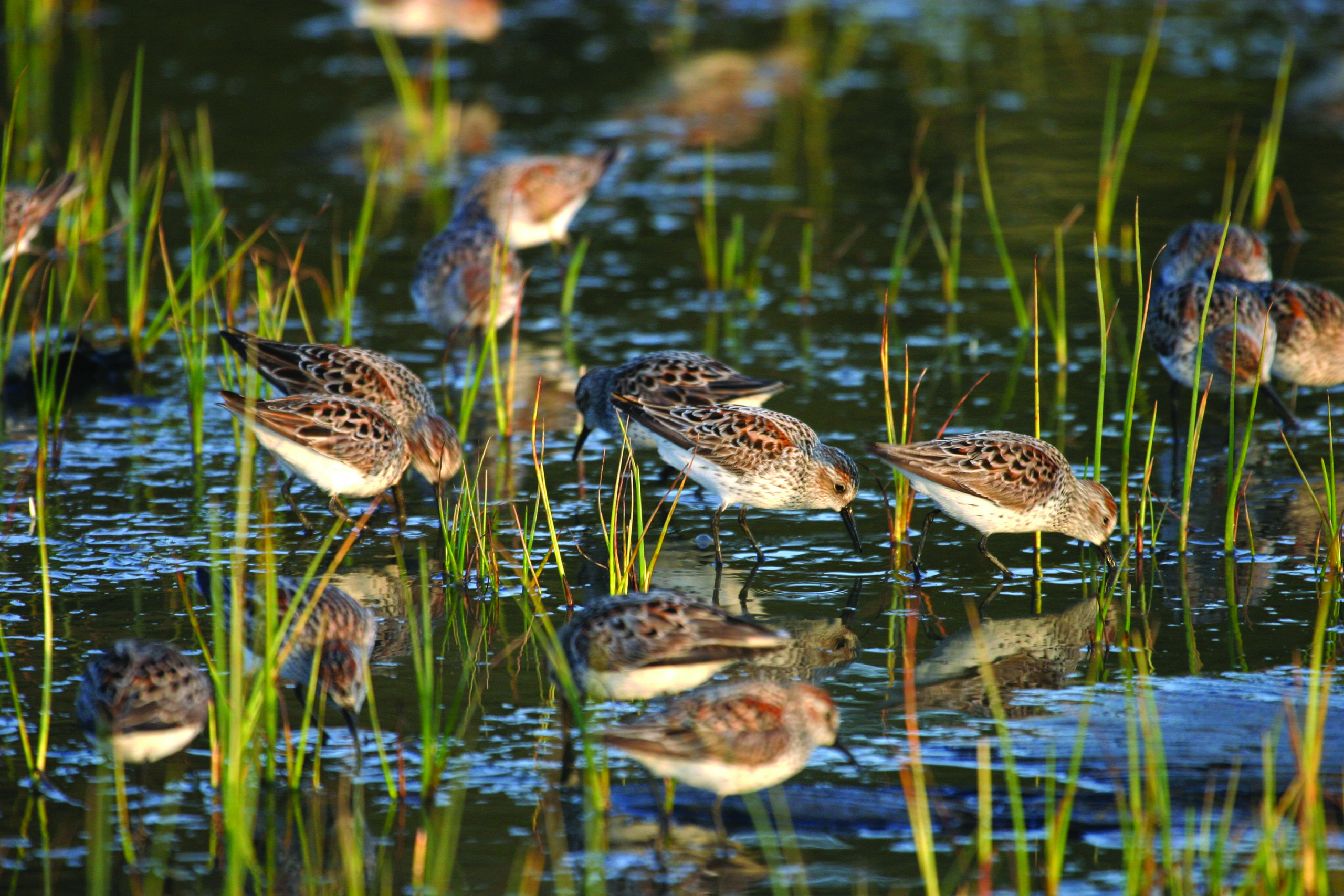
More than a decade of habitat creation has produced a measurable track record. Since 2014, BirdReturns has partnered with 210+ farmers and wetland managers to create over 200,000 acres of seasonal wetland habitat across California’s Central Valley — and the data shows exactly what that habitat delivers for birds.
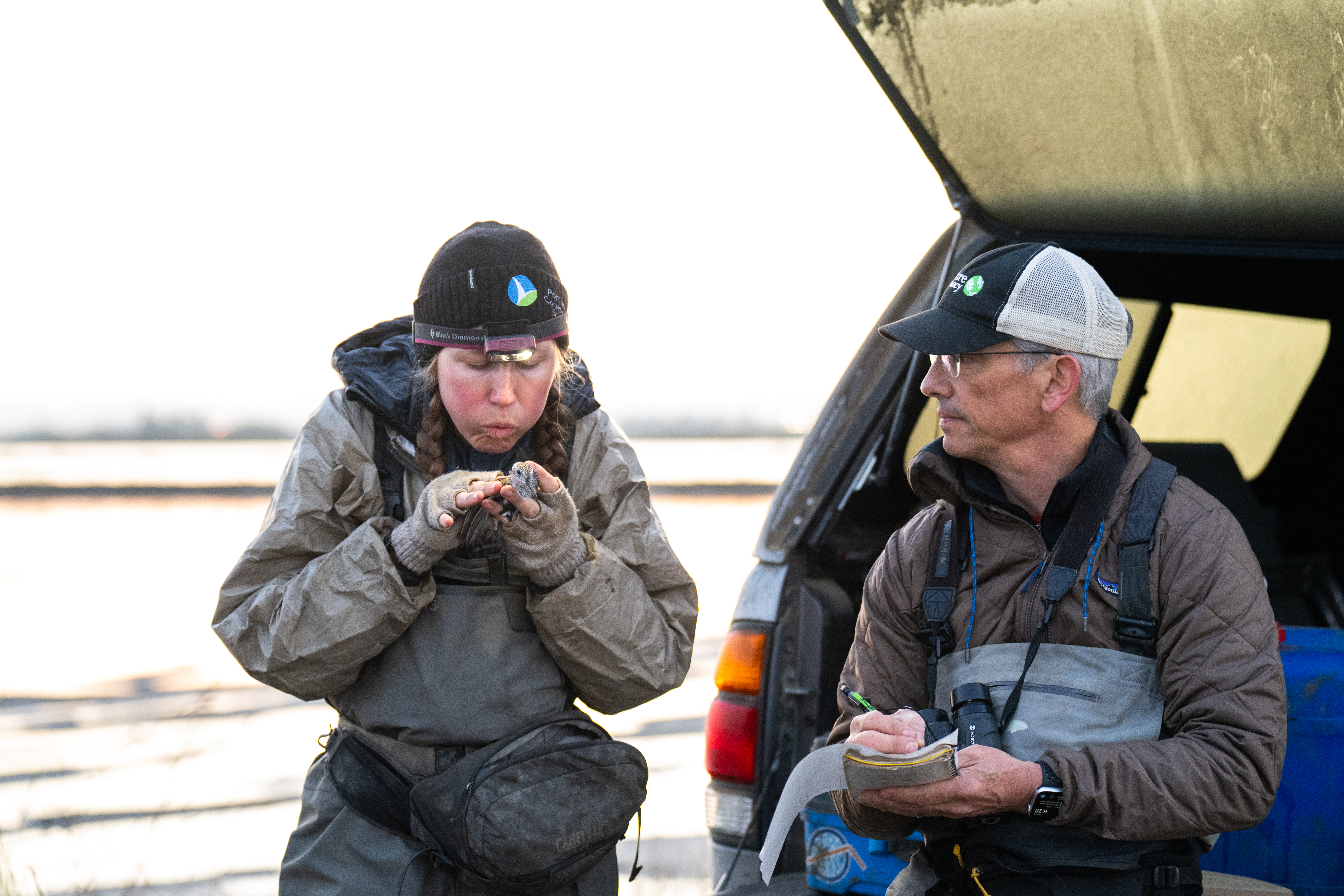
What makes BirdReturns effective is that it’s built on science. Every enrolled wetland and field doubles as a living laboratory — our scientists monitor bird use, test new approaches, and feed what they learn back into program design. But the impact goes further than BirdReturns itself: this research also deepens our broader understanding of what wetland birds need, informing habitat management and conservation policy across California and beyond. That same science keeps the program flexible — able to adapt as drought, water availability, and land use continue to change, so it stays effective for birds today and in the years ahead.
15×
more waterfowl on BirdReturns fields than surrounding areas during spring migration
200K+
acres of habitat created since 2014, with 210+ partner farms and wetlands
61%
of available flooded rice habitat in the Central Valley came from BirdReturns during the 2013–2015 drought’s fall migration
Migratory Bird Habitat
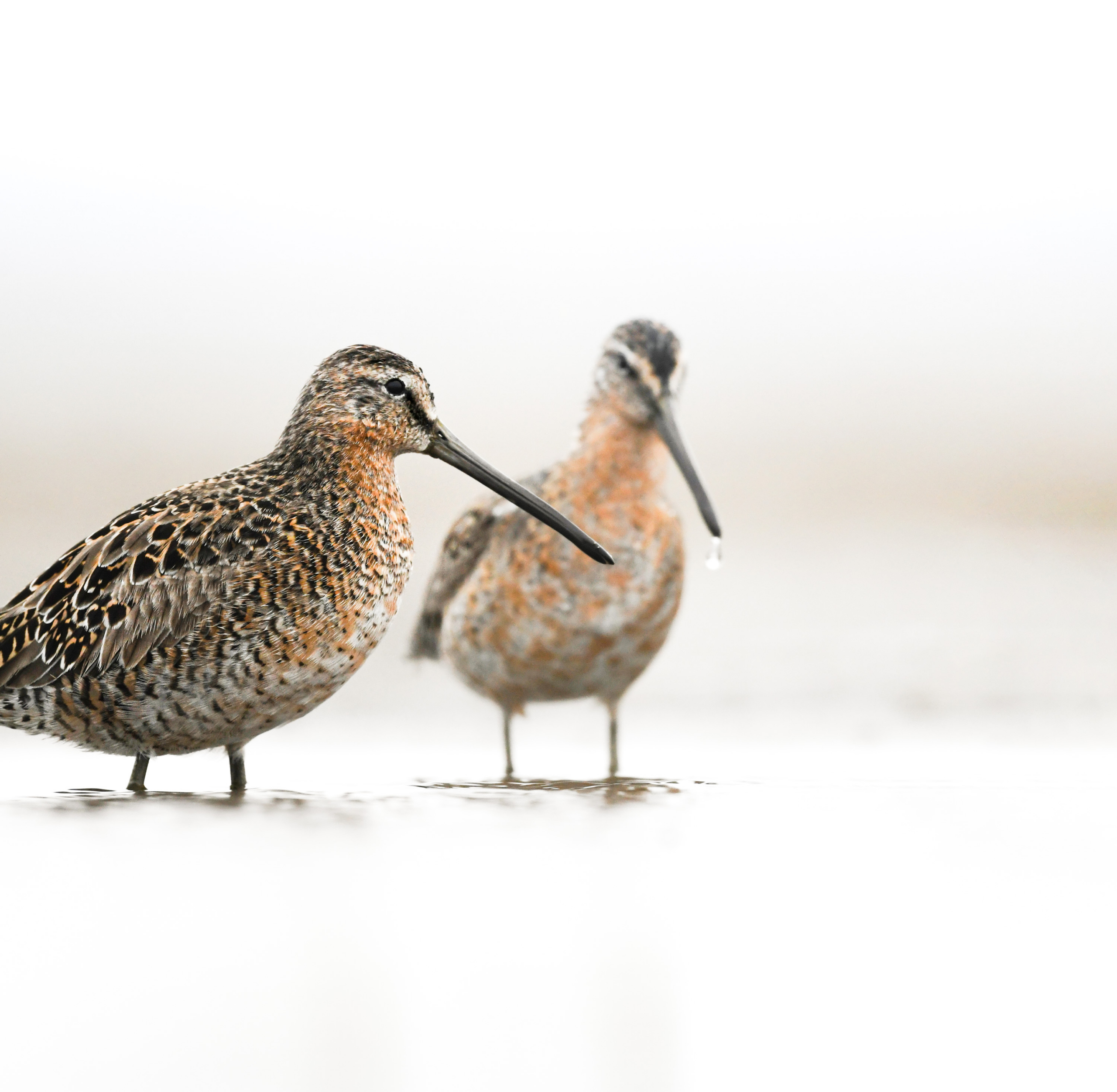
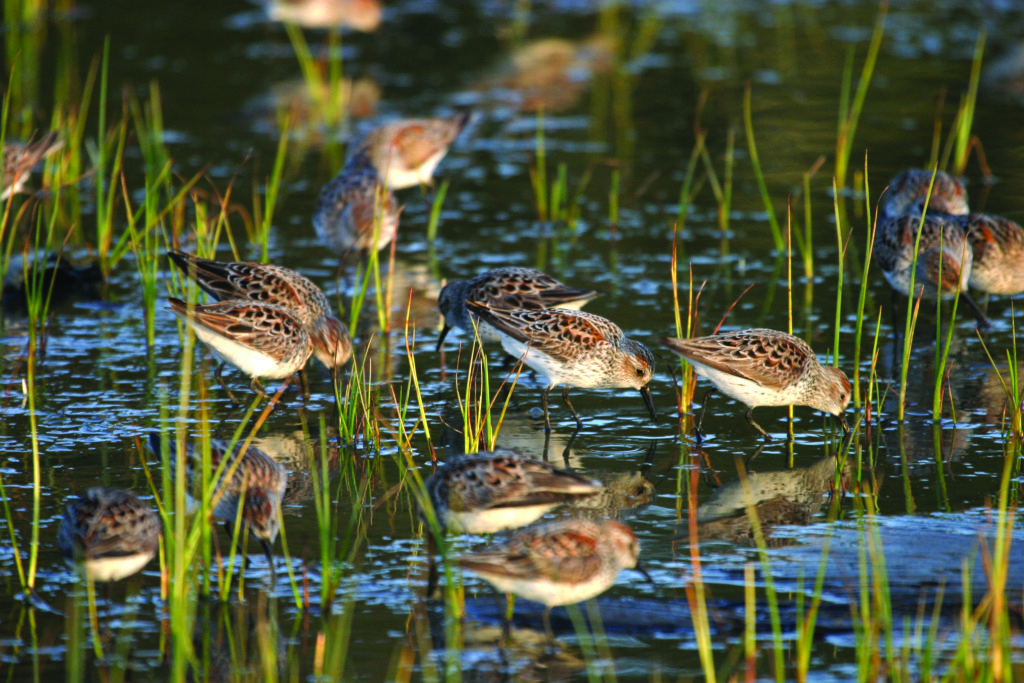
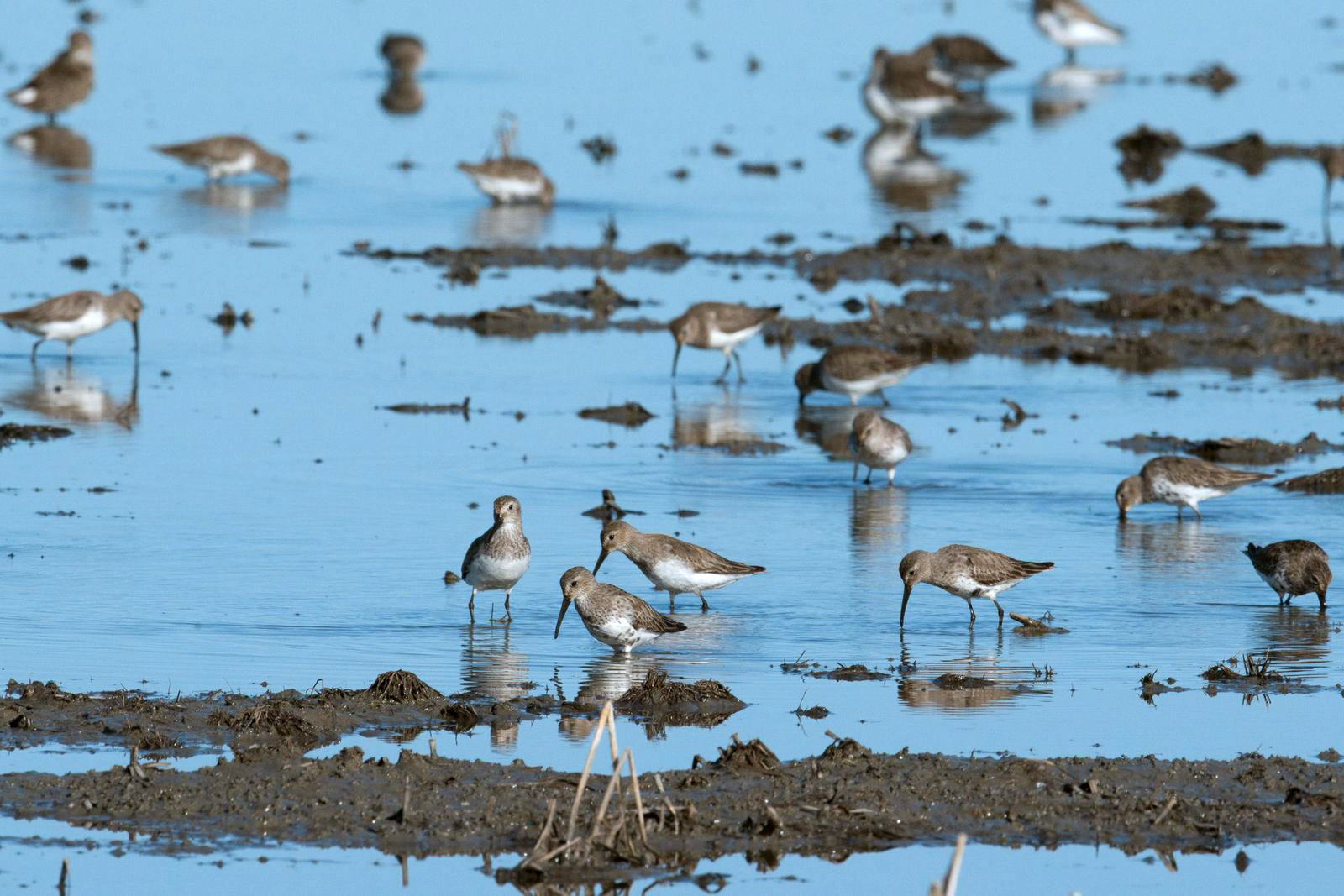
Fields enrolled in BirdReturns support significantly more shorebirds — in abundance, diversity, and species richness — than comparable farmland, during the exact weeks each spring and fall when shorebirds face the sharpest habitat shortages.
During the 2013–2015 drought, BirdReturns provided 39% of all post-harvest flooded rice habitat in the Central Valley on average — climbing to 100% on some days when paired with partner programs, and up to 61% during fall migration specifically. When water was scarcest, these fields were often the only habitat available.
Sandhill Cranes
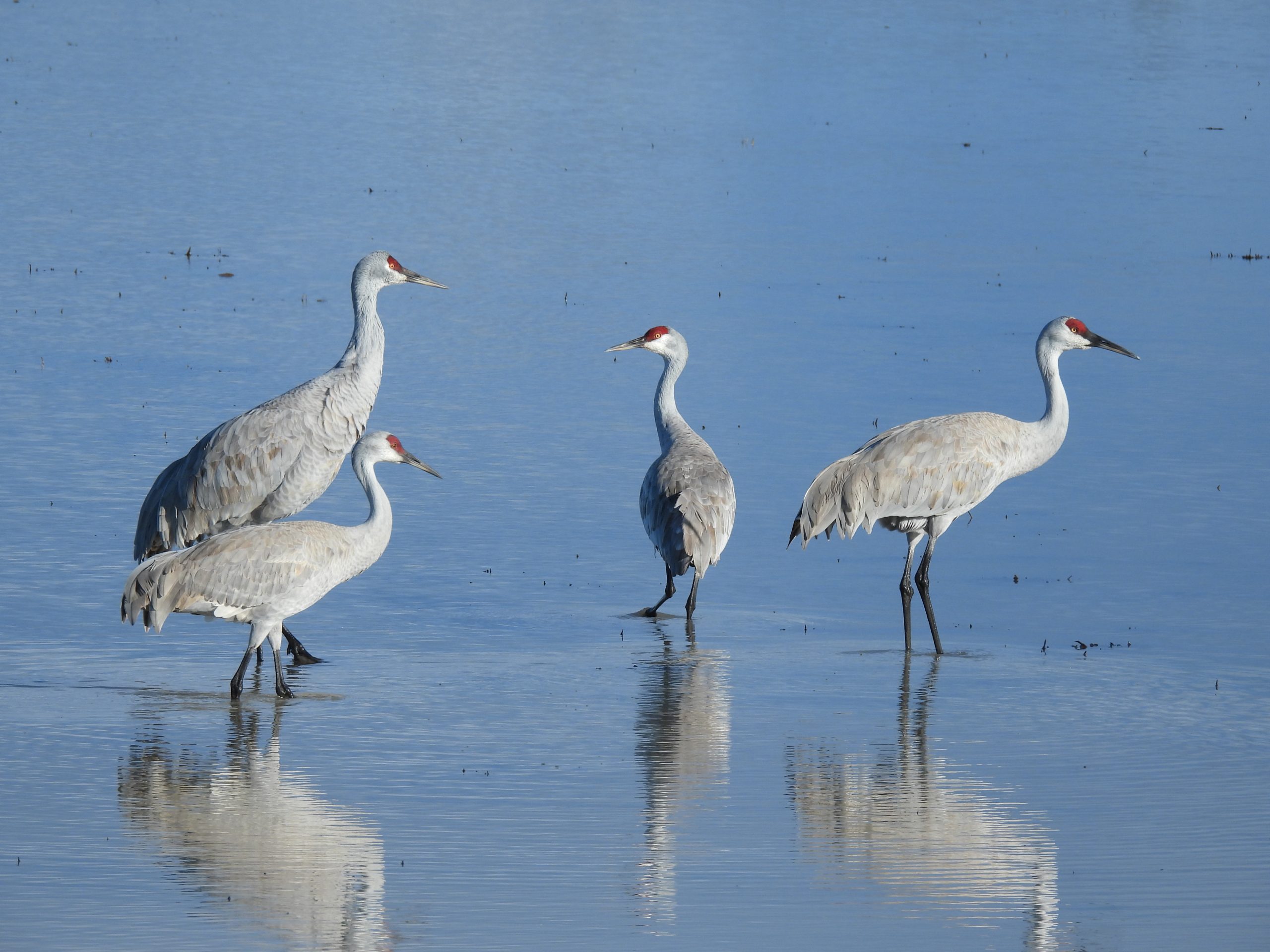
California’s greater sandhill crane is state-threatened, and BirdReturns provides critical winter roost and forage habitat to support its recovery. On select fields, decoys and speakers broadcasting crane calls draw cranes into newly available habitat — expanding the population’s roosting range and building long-term resilience.
Hunting is prohibited at every winter roost field, creating true sanctuary — not just for cranes, but for other disturbance-sensitive waterfowl sharing the same wetlands.


Supporting Breeding Birds
Summer wetlands created through BirdReturns provide essential breeding habitat for waterfowl, wading birds, shorebirds, and riparian species — from mallards and gadwall to black-necked stilts and American avocets raising young along the water’s edge. Over 160 bird species have been recorded using enrolled habitat with over 76 of those species recorded nesting and breeding within the enrolled area!
These wetlands also sustain one of California’s most vulnerable colonial nesters, the tricolored blackbird — deep flooding beneath dense vegetation creates exactly the conditions its breeding colonies need, in habitat that’s grown increasingly scarce statewide.
How We Know It Works
BirdReturns works because it doesn’t stand still. Every enrolled wetland is also a research site — biologists monitor bird use and turn the results into real program changes, from flooding timing to payment structures.
Current studies dig deeper: invertebrate research is mapping the food energy shorebirds and other species rely on across habitats, seasons, and management types, while social science research explores landowner motivations and the broader value communities place on wetland birds. Together, this work refines BirdReturns and informs wetland management and conservation policy across California and beyond.